Blog
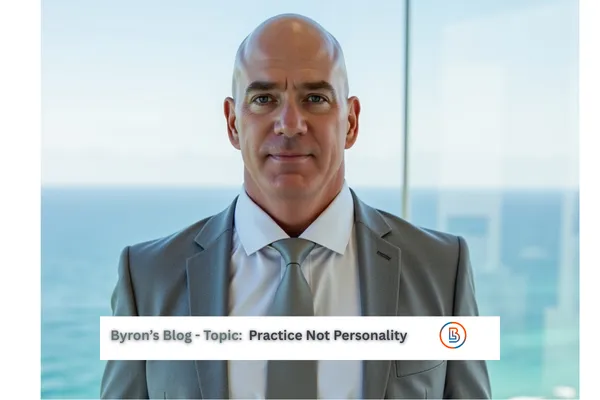
Discernment Is Built Through Practice, Not Personality
“The simple believeth every word: but the prudent man looketh well to his going."
- Proverbs 14:15
Initial thoughts…
Discernment is often treated as an innate trait — something you either have or don’t. In reality, it’s a skill that strengthens through repetition, reflection, and intentional practice.
No one is born discerning. It’s built.
The Framework
Discernment develops through consistent habits:
Reflecting on past decisions and outcomes
Noticing patterns in energy, resistance, and clarity
Asking better questions before seeking answers
Over time, these practices sharpen judgment and confidence.
From Guessing to Grounded Knowing
Without practice, decisions feel like guesses. With discernment, decisions feel anchored — even when outcomes remain uncertain.
The difference is internal coherence.
Questions for Reflection
What decisions have I learned the most from?
Where have I ignored my inner signals before?
What patterns keep repeating in my choices?
Leadership Application
Discernment allows leaders to make fewer but better decisions. It reduces regret, builds trust, and creates steadier momentum across teams and organizations.
Closing thoughts…
Discernment doesn’t promise certainty — it offers clarity you can trust.
What to do about it…
Discernment is the skill that allows you to move forward without forcing clarity or betraying yourself.
If this resonated, explore how discernment guides career and leadership decisions — knowing when to move, when to pause, and what is actually worth pursuing.
If you’re ready to apply this in your own life or career, the 30-Day Career Momentum Sprint helps you rebuild clarity and direction with intention.
→ Explore the 30-Day Career Momentum Sprint
Prefer a conversation instead?